
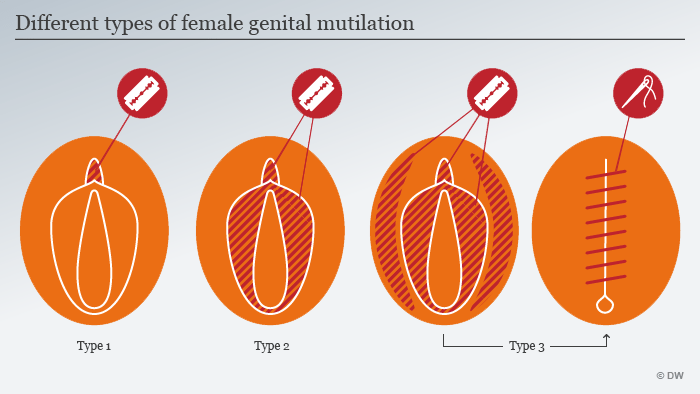
In class, we began discussing female genital mutilation (what an amazing topic to go into the weekend to). While I had briefly learned about this topic prior to this class, I definitely learned way more about it. I didn’t realize that their were four types; clitoridectomy, excision, infibulation, and all other types such as piercing and pricking. There is no health benefits at all in regards to this and it only harms those who it happens to.
According to the World Health Organization, the most common places this is practiced is in western, eastern, and north-eastern regions of Africa, in some countries in the Middle East and Asia, and migrants from these areas.
Some reasons why this occurs is because some people believe it is a natural part of raising a girl and preparing her for marriage, to help preserve virginity for marriage, to increase likelihood of marriage, the belief that it makes you “clean”, and because it is a social norm. It is shocking that this still happens for these reasons because it is proven that there are no benefits. However, people do so many things that have no benefits at all, so I really shouldn’t be surprised that this is still something that happens.
When hearing about all of this, all I could do it cringe. I could only imagine how traumatizing something like that could be. Not only would it cause physical pain, but I can only assume emotional trauma as well.
This issue has become more publicized with awareness being brought to it. Also on the website for the World Health Organization, it explains what they have done to try and bring attention and stop this issue. WHO has been strengthening health sector response, building evidence, and increasing advocacy. Some general responses not from WHO include wider international involvement to stop FGM, revision of legal frameworks, and releases of statements of elimination.
I think this issue is important to address more frequently. I am glad that in more recent years, this issue has been one that has had many actions taken against, but I know there is still a long way to go.
https://www.who.int/news-room/fact-sheets/detail/female-genital-mutilation




 Jordan's Human Sexuality Blog